| ||
| ||
|
Best Selling Plants
Dryopteris affinis 'Cristata The King' AGM
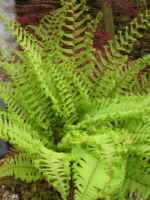
A truly magnificent fern with splendid crests and arching fronds, said to be the 'King of the British Ferns'. In time, to 1.2m tall. Very effective in a pot against a north facing wall. Semi-evergreen.
find out more
Geranium macrorrhizum 'Mount Olympus White' AGM
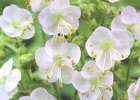
syn Geranium mac. 'White Ness'. An easy, hardy, evergreen Geranium. Very good in dry shade. Forms good ground cover with fragrant foliage. Pure white flowers over most of the Summer starting in late May. This is a pure albino with no hint of pink in the calyx or flower.
find out more
Dryopteris wallichiana AGM
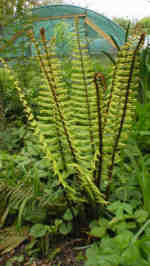
A most magnificent fern from the Himalayas and Japan, although named after the Danish botanist Nathaniel Wallich. The young unfolding fronds are a golden green in the Spring contrasting well with the hairy black midrib and stems. Needs moist conditions though not boggy and avoid dry alkaline soils. Evergreen.
find out more
Polystichum munitum AGM
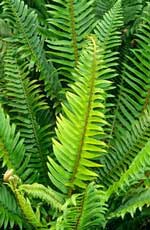
The American sword fern. Well known and long cultivated in this country. Easy and very effective. Evergreen.
find out more
Asplenium scolopendrium AGM
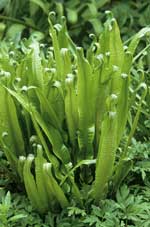
The native wild form of this easy and very useful evergreen fern. Strap shaped, long undivided fronds giving the plant it's common name Hart's (deer) Tongue fern. Grows better on alkaline to neutral soils. Happy in damp shade but also in dry shade once established. This fern works brilliantly with other ferns, hostas and bergenias.
find out more
Gillenia trifoliata AGM
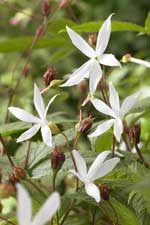
A plant that has become increasingly popular as gardeners recognise its quiet beauty. White star flowers that have a fluttering butterfly quality about them, reddish stems and calyxs, followed by berries and coloured foliage in Autumn. A semi-shaded well drained spot will have this flowering most of the Summer. Use to the front of a shade border to fully appreciate its beauty. A rhizomatous perennial, that is gradually clump forming.
find out more


 |