Best Selling Plants
Dryopteris erythrosora AGM
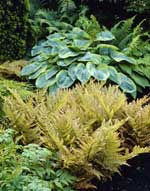
Quite one of the best garden ferns with bronze new fronds all Summer. Will tolerate a fair amount of alkalinity in the soil but prefers neutral soils. Evergreen.
find out more
Dryopteris affinis 'Cristata The King' AGM
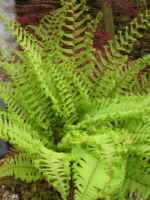
A truly magnificent fern with splendid crests and arching fronds, said to be the 'King of the British Ferns'. In time, to 1.2m tall. Very effective in a pot against a north facing wall. Semi-evergreen.
find out more
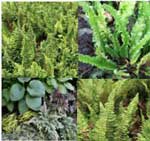
4 x Small ornamental ferns for a shady trough or rock garden
{Description}
Asplenium x ebenoides (Dragon's tooth fern) 25cm, evergreen.
Asplenium trichomanes (Maidenhair Spleenwort) to 30cm, Evergreen.
Dryopteris affinis 'Crispa Gracilis' 15 cm Evergreen
Polystichum setiferum 'Congestum' (Dwarf Soft Shield-fern) 20cm, evergreen.
Please note Collections may vary depending on stock availability
{About}
4 ferns one of each of above. 9cm pots.
find out more
Adiantum aleuticum 'Imbricatum'
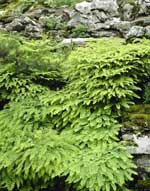
A short growing form with imbricate pinnules to this easy hardy maidenhair fern. To 20 cm tall.
find out more
Blechnum spicant AGM
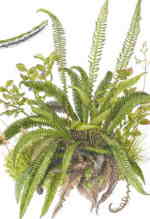
Native ladder fern, with the fronds resembling the steps of a ladder, needs neutral to acid soil. Very attractive in growth with both upright and arching fronds. Evergreen and very popular with flower arrangers.
find out more
Polystichum setiferum AGM
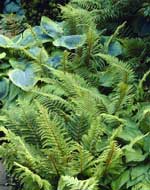
All the setiferum forms will take quite dry shade or sun with a bit more water. Easy, adaptable and evergreen.
find out more


 |